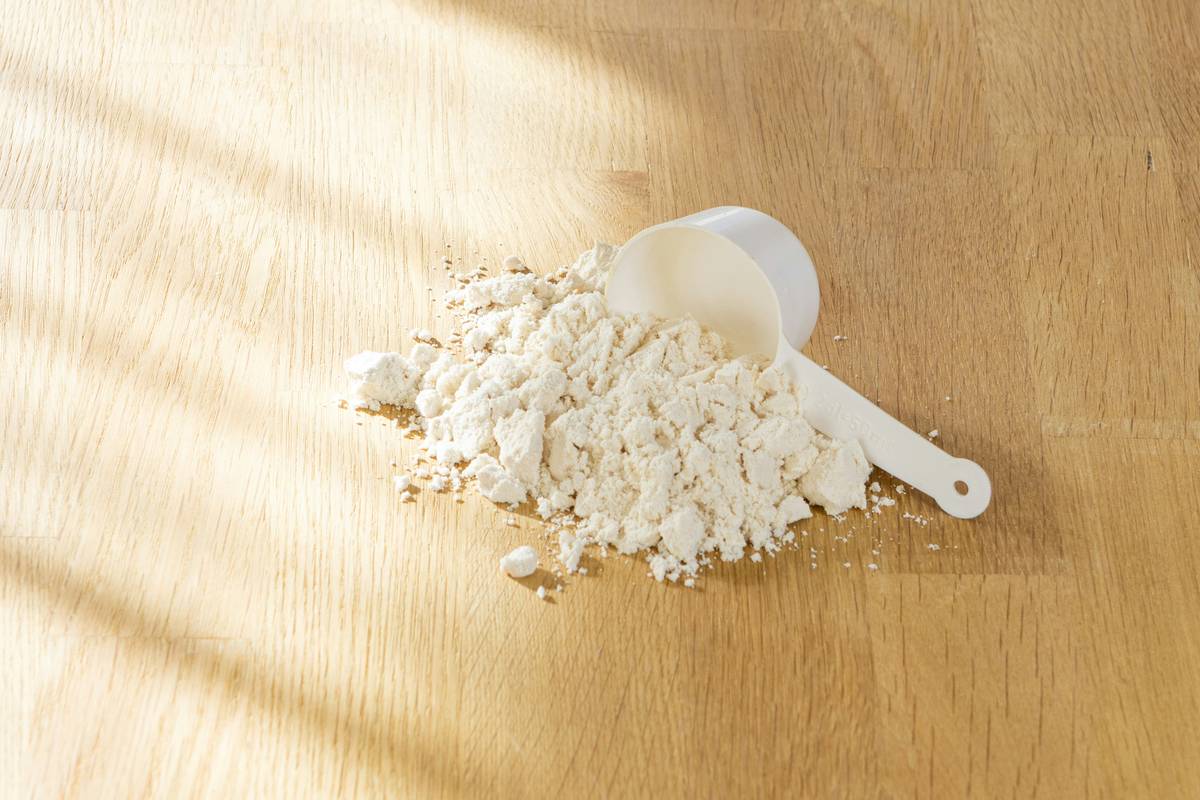
Ever spent $50 on a jar of “miracle” collagen powder, only to see zero change in your skin after three months? You’re not alone. As someone who’s tested over a dozen formulas—some that left my skin glowing, others that gathered dust like expensive placebos—I’ve learned the hard way what actually works. In this guide, we’ll cut through the marketing fluff and dive into science-backed strategies for choosing and using premium collagen supplements that genuinely support skin elasticity. No hype, no gimmicks—just real results.
Table of Contents
- Why Collagen Matters for Aging Skin
- How to Choose & Use Premium Collagen Supplements
- Best Practices for Maximum Effectiveness
- Real Results: What the Data Shows
- Frequently Asked Questions
Key Takeaways
- Not all collagen supplements are created equal—source, type, and dosage matter deeply.
- Hydrolyzed collagen peptides (types I and III) show the strongest evidence for improving skin elasticity.
- Consistency beats mega-dosing: 2.5–10g daily for 8–12 weeks yields visible results.
- Avoid products with fillers, artificial sweeteners, or vague labeling—transparency is non-negotiable.
- Pair supplementation with vitamin C and sun protection for synergistic anti-aging effects.
Why Collagen Matters for Aging Skin
After age 25, your body’s natural collagen production drops by about 1% per year. By your 40s, that decline accelerates—leading to fine lines, sagging, and loss of that youthful “bounce.” Collagen isn’t just structural glue; it’s the scaffolding that keeps skin firm and hydrated. Topical creams can’t penetrate deeply enough to rebuild it, which is why oral supplementation has surged in popularity.
But here’s the catch: flooding your system with low-quality collagen won’t help. In fact, I once bought a bargain-bin brand labeled “marine collagen” that contained barely 2g per serving—and zero third-party testing. Three months later? My skin felt drier than before. Lesson learned: cheap collagen is often just expensive sugar water.
According to a 2021 review published in Dermatology and Therapy, hydrolyzed collagen peptides significantly improved skin elasticity, hydration, and dermal collagen density in clinical trials—all without adverse effects (source). The key? Consistent intake of bioavailable, clinically dosed formulas.
How to Choose & Use Premium Collagen Supplements
Selecting the right product isn’t guesswork—it’s science. Follow these steps to avoid wasting money on ineffective options.
1. Check the Type and Source
Opt for hydrolyzed collagen peptides from grass-fed bovine (types I and III) or wild-caught marine sources (type I). These mimic human collagen most closely. Avoid “multi-collagen” blends unless they specify exact ratios—many pad formulas with less effective types.
2. Verify Dosage and Purity
Effective studies used 2.5g to 10g daily. Look for products that deliver at least 5g per serving with minimal additives. If the label reads “proprietary blend” without disclosing collagen content, walk away.
3. Prioritize Third-Party Testing
Certifications from NSF, Informed-Choice, or USP signal quality control. At Tronvelix, we only formulate with lab-verified ingredients because your skin deserves transparency—not marketing theater.
Best Practices for Maximum Effectiveness
- Take it with vitamin C: Vitamin C is essential for collagen synthesis. Add lemon to your morning collagen coffee or pair it with a citrus-rich breakfast.
- Be consistent for 8–12 weeks: Skin turnover cycles take time. Don’t quit at week four expecting miracles.
- Avoid “collagen boosters” with biotin overload: High-dose biotin can interfere with lab tests and won’t enhance collagen if you’re not deficient (NIH data).
- Store properly: Keep powders in a cool, dry place. Heat and moisture degrade peptide integrity.
And please—skip the “collagen gummies.” Most contain under 1g of actual collagen alongside 5g of sugar. That’s not anti-aging; it’s dessert with delusions of grandeur.
Real Results: What the Data Shows
In a 2019 double-blind study, women aged 35–55 who took 2.5g of hydrolyzed collagen daily for 12 weeks saw a 7% increase in skin elasticity compared to placebo (Journal of Cosmetic Dermatology). Even better, improvements persisted four weeks after stopping—proof that quality premium collagen supplements trigger lasting change.
I now use a clean, unflavored bovine peptide formula every morning in my smoothie. After 10 weeks, my jawline looked sharper, and my makeup stopped settling into fine lines. It wasn’t magic—it was molecular biology done right.
Frequently Asked Questions
Can premium collagen supplements really reverse wrinkles?
They won’t erase deep wrinkles, but clinical data shows they significantly improve skin firmness, hydration, and elasticity—making fine lines less noticeable over time.
How long until I see results from premium collagen supplements?
Most users notice subtle changes in skin texture by week 4, with measurable elasticity improvements by week 8–12.
Are there side effects to taking collagen supplements?
Generally, no—unless you have allergies to the source (e.g., fish for marine collagen). Always check labels if you have sensitivities.
Can I take collagen if I’m pregnant or breastfeeding?
While collagen is typically safe, consult your healthcare provider first. For peace of mind, review our Privacy Policy regarding ingredient sourcing and safety standards.
Do I need to take collagen forever?
Results plateau after 3–6 months. Many users cycle—3 months on, 1 month off—to maintain benefits without dependency.
What’s the difference between cheap and premium collagen supplements?
Premium collagen supplements use verified doses of hydrolyzed peptides from ethical sources, undergo purity testing, and avoid fillers. Cheap versions often underdose, use inferior hydrolysis, or hide contaminants.
Ready to stop guessing and start glowing? Our team at Tronvelix is passionate about clean, effective anti-aging solutions. Have questions about your unique skin goals? Reach out to us—we answer every message personally.